
Electronic-Hydraulic Forced Steering System
Intelligent multi-axle steering with no mechanical link – improving manoeuvrability, stability, and control.
DTS® – Dynamic Trailer Steering
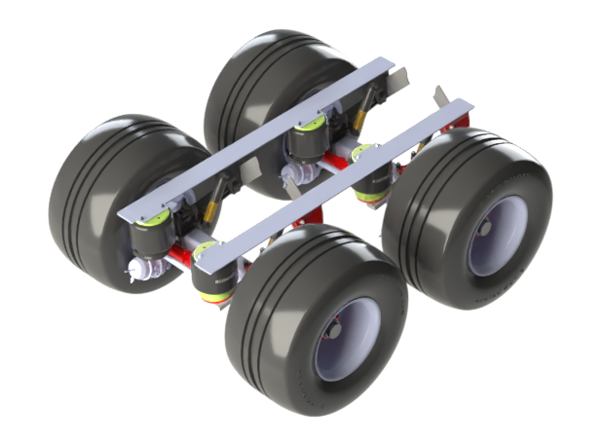
The DTS® Electronic-Hydraulic Forced Steering System is an advanced steering solution for multi-axle trailers, combining electronic control with hydraulic actuation.
It enables controlled axle steering without a mechanical linkage between the tractor and trailer, offering flexible steering behaviour across a range of applications.
Powered by:

Key Features
- Drawbar angle sensor free steering
- Steerable when driving in reverse
- Wide range of steering programs:
- Manual steering
- Crab steering
- ISOBUS connection option
- Available in:
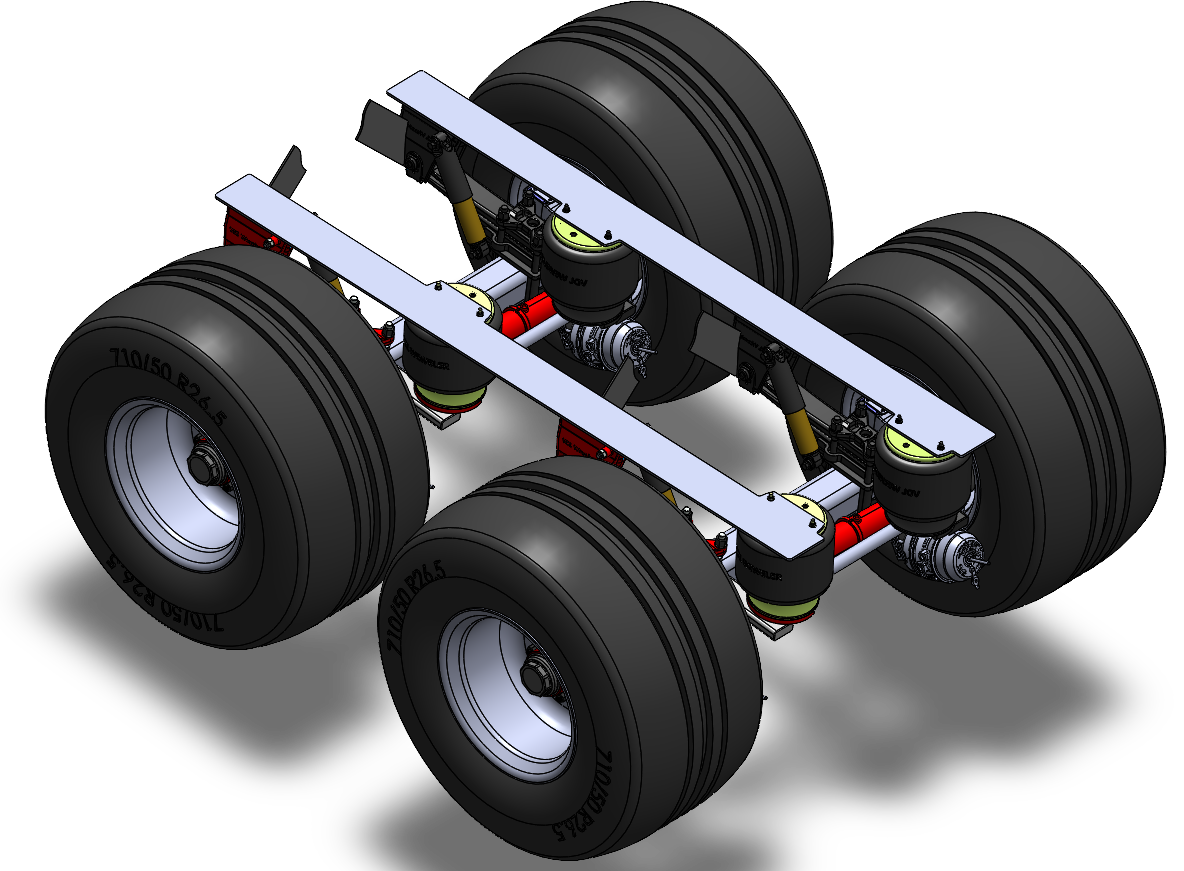
- Single axle
- Tandem axle
- Tri axle
- Quad axle configurations
- Axles supplied with:
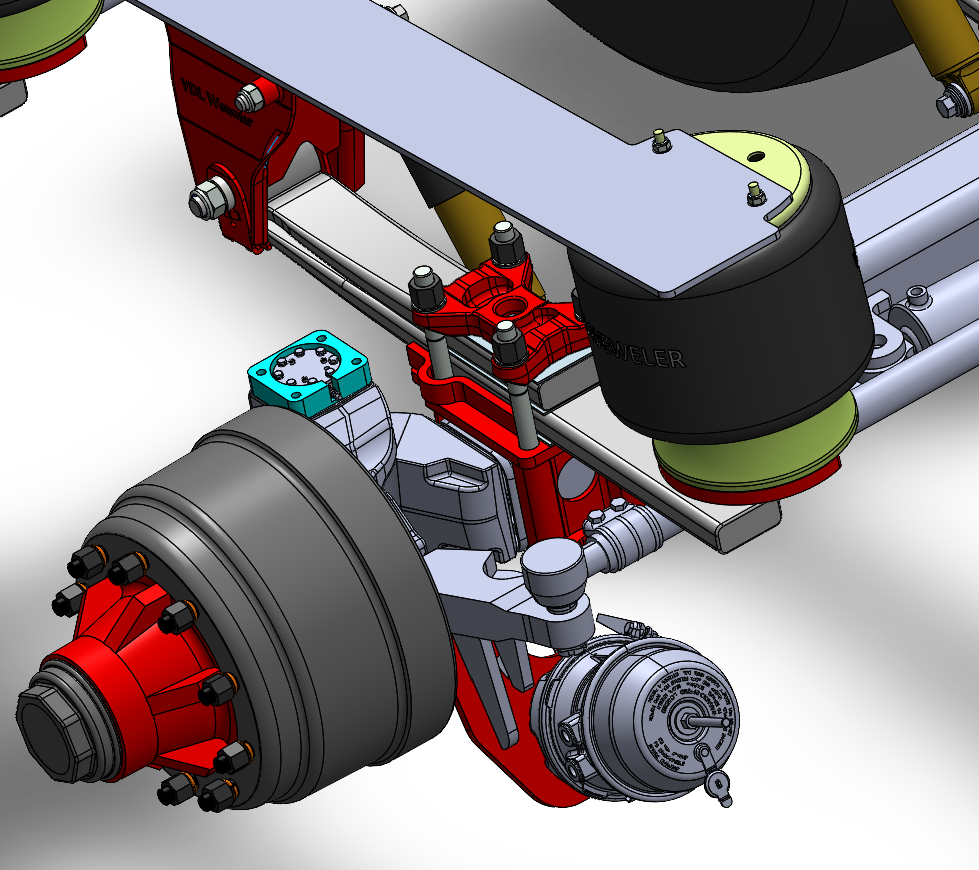
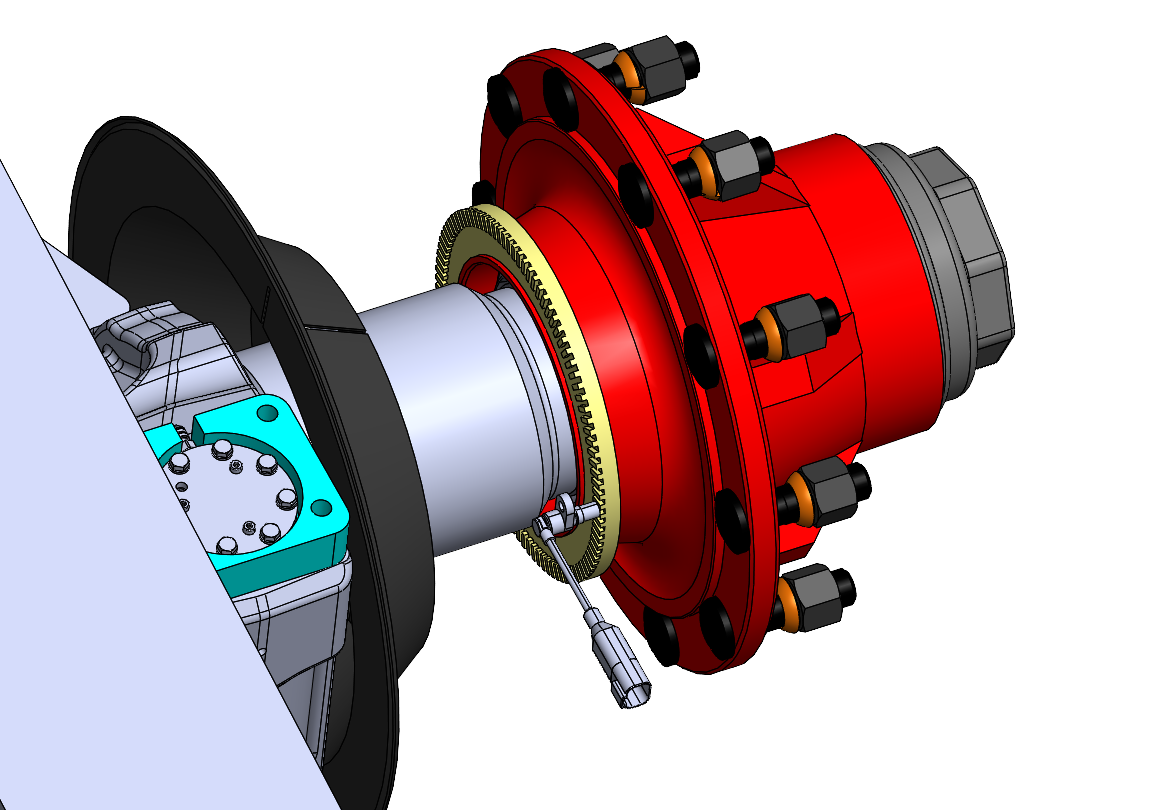
- Speed sensors
- Angle sensors
- Automatic reduction of maximum steering angle at higher speeds
System Overview
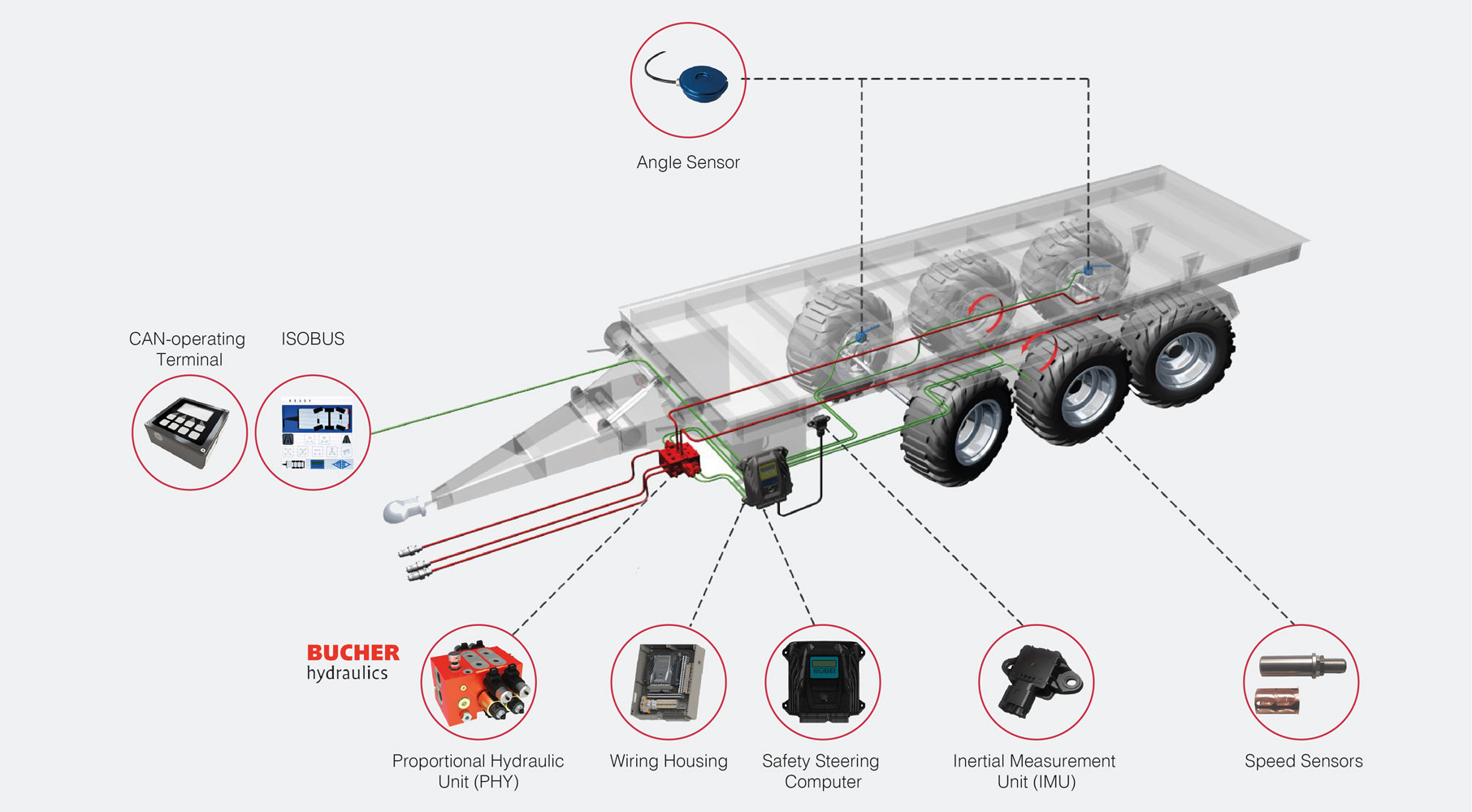
The system integrates multiple components to manage steering behaviour:
- Steering angle sensing
- Wheel speed measurement
- Electronic control unit
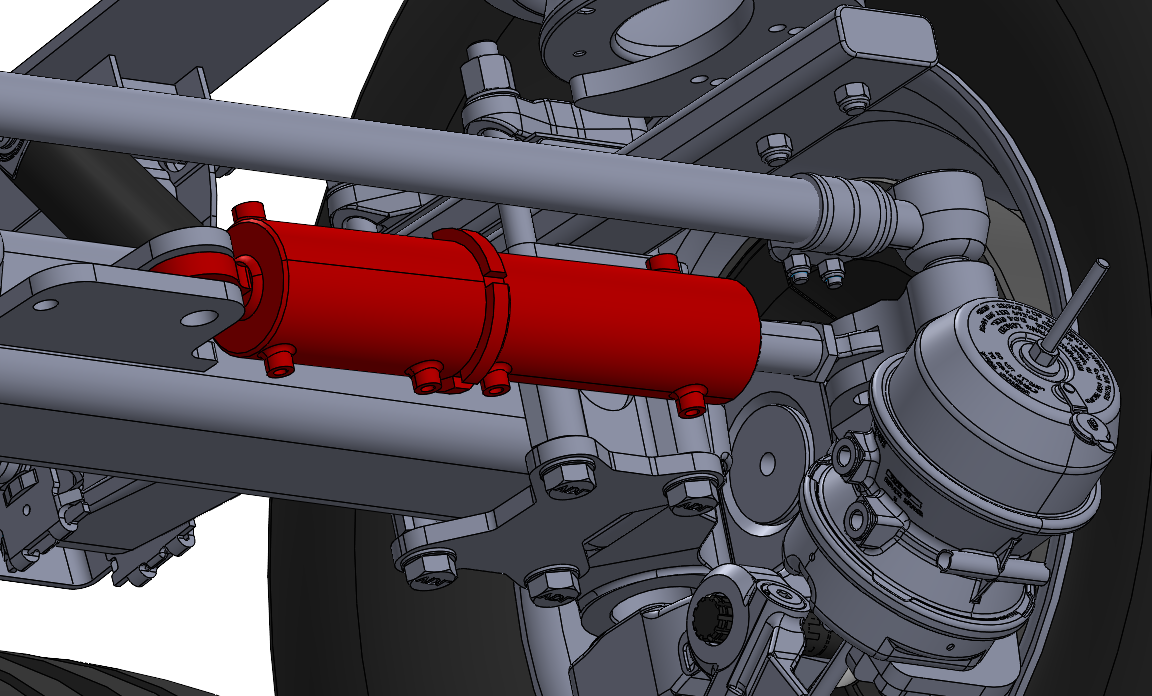
- Hydraulic actuation via proportional valve system
Various steering programs available, all axle steering, crab steering, manual steering.
Stable driving with speed dependent steering angle.
No mechanical connection needed between towing vehicle and trailer.
How it Works
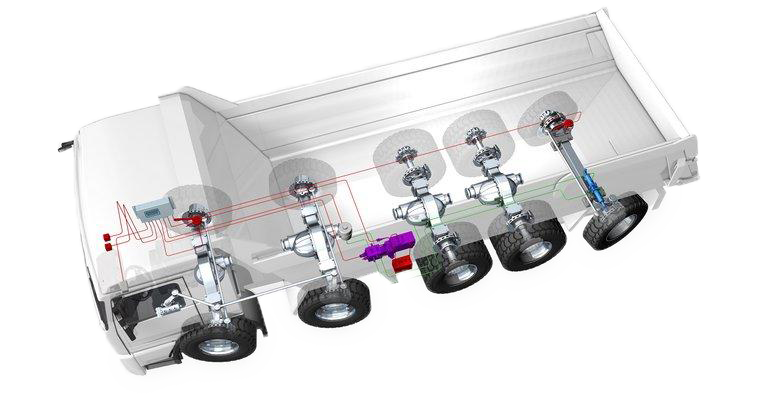
The system continuously monitors vehicle dynamics and steering inputs:
- The IMU captures motion across six kinematic degrees of freedom.
- Speed sensors measure wheel rotation.
- The steering angle sensor detects axle position.
- The steering control unit processes all inputs in real time.
- The proportional hydraulic unit directs fluid to the steering rams.
This closed-loop system ensures smooth, accurate steering under all conditions.
Benefits
The DTS® system delivers real-world advantages across performance, safety, and operational efficiency.
1. Improved Manoeuvrability
Precise axle steering allows trailers to navigate tight spaces more easily, reducing turning radius and improving handling in confined environments.
2. Enhanced Stability at Speed
Automatic reduction of steering angle at higher speeds improves stability and control during transport.
3. Reduced Tyre Wear
Controlled steering behaviour helps minimise tyre scrub, extending tyre life and reducing operating costs.
4. Flexible Steering Modes
Multiple steering programs, including manual and crab steering, allow operators to adapt to different working conditions.
5. No Mechanical Link Required
Electronic-hydraulic operation removes the need for a mechanical connection between tractor and trailer, simplifying installation and increasing flexibility.
6. Reverse Steering Capability
Maintains steering functionality when reversing, improving control and usability in challenging environments.
7. Scalable Across Configurations
Available for single, tandem, tri and quad axle setups, making it suitable for a wide range of trailer types and applications.
Components
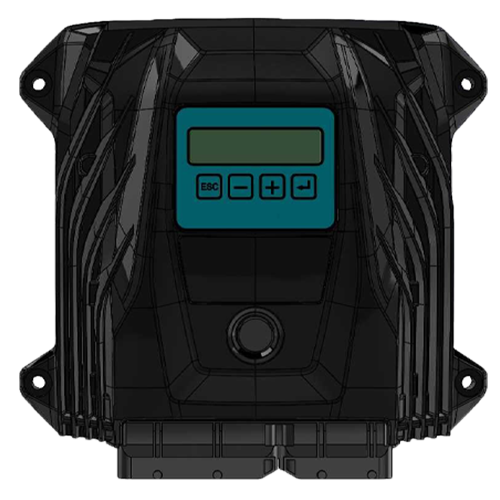
Safety Steering Computer
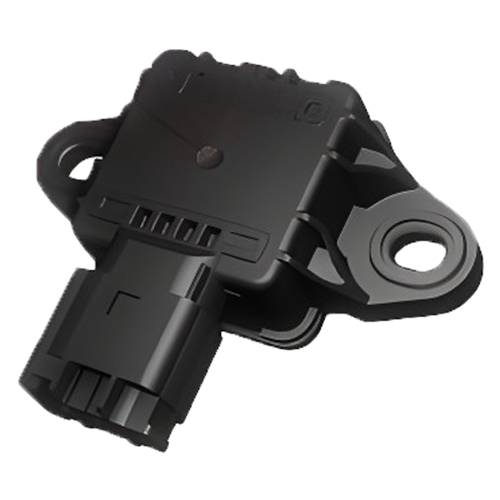
IMU Module
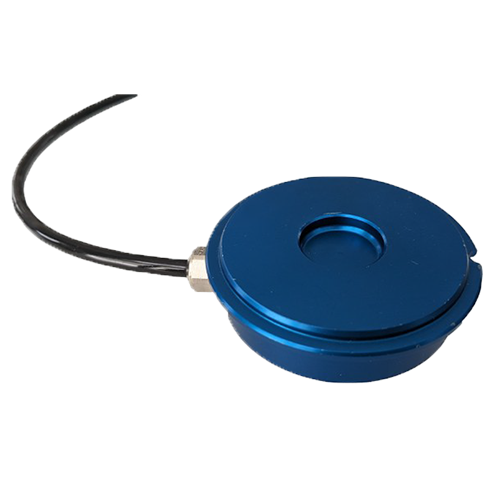
Angle Sensor
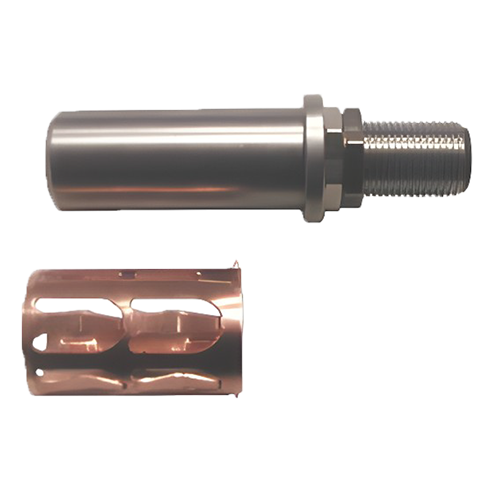
Speed Sensor
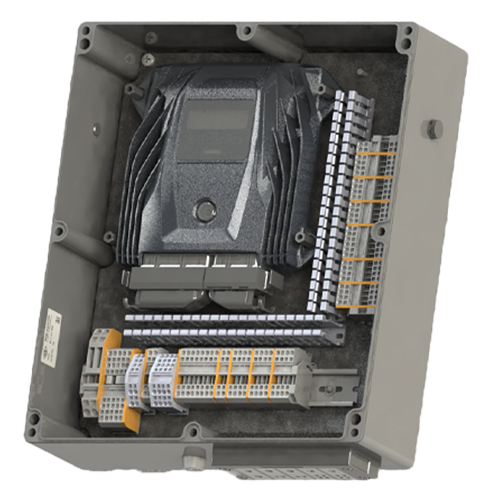
EIZ Wiring Cabinet
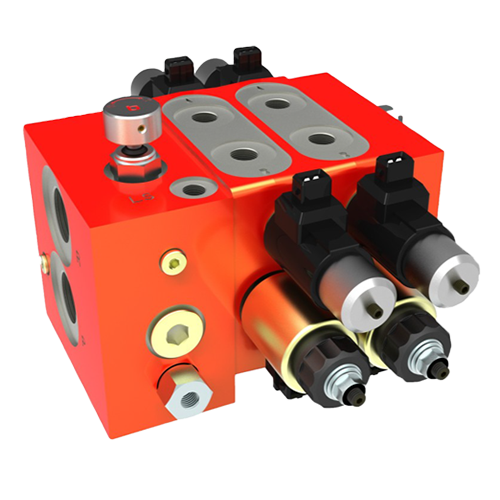
PHY - Proportional Hydraulic Unit
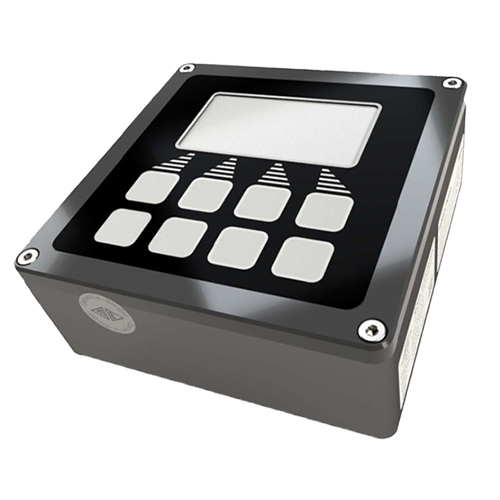
CAN-operation terminal
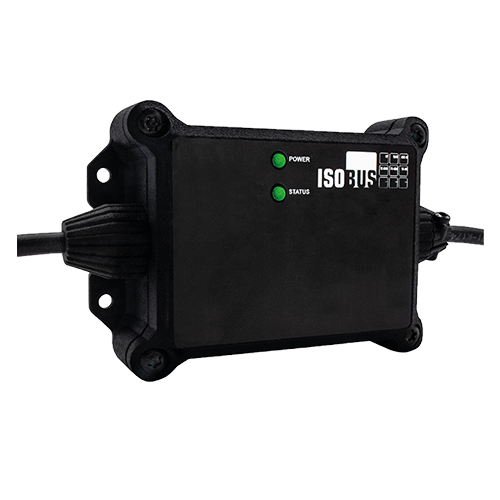
ISOBUS Operation via Gateway